What It’s Like To Live In San Carlos As A Young Family
May 21, 2026
If you are raising young kids on the Peninsula, you have probably asked yourself a hard question: where can you find a community that feels manageable, connected, and truly livable day to day? San Carlos stands out because it pairs a small-city footprint with a real downtown, a strong parks culture, and a housing pattern that still feels rooted in neighborhood life. If you are considering a move here, this guide will help you understand what daily life can actually look like for a young family. Let’s dive in.
San Carlos is a compact city of about 30,000 residents across roughly 5.5 square miles. That smaller scale shapes daily life in a meaningful way. You can move through town without feeling spread out, and many routines feel closer and easier to manage.
The city still uses the identity "City of Good Living," and its own materials connect that idea to charming neighborhoods, schools, and a strong local business base. Census figures also point to a stable community, with 23.4% of residents under 18, an average household size of 2.68, and 90.3% of residents living in the same home one year earlier. For many buyers, that translates into a place that feels settled rather than constantly in flux.
One of the clearest advantages of living in San Carlos as a young family is the rhythm of downtown. The city defines its downtown core around Laurel Street from Holly Street to Arroyo Street, where the layout is designed to be pedestrian-friendly and centered around Laurel Street Park.
Downtown buildings are generally one to two stories, and ground-floor storefronts help create an active street life. In practical terms, that means your weekend does not have to revolve around long drives and scattered errands. You can often combine coffee, a casual meal, small shopping trips, and time outdoors in one compact area.
That kind of setup matters when you have young children. Simpler outings can feel more realistic, and quick trips into town do not have to become a full production. For many families, that ease is part of what makes San Carlos feel more livable than a larger, more spread-out city.
San Carlos also keeps several community resources close to the downtown area. The library is at 610 Elm Street, the Adult Community Center is at 601 Chestnut Street, and the Youth Center is at 1001 Chestnut Street.
For a young family, nearby civic spaces can quietly improve your week. Whether you are looking for library visits, youth programming, or community activities as your household grows, it helps to live in a city where these places are part of the everyday landscape rather than an afterthought.
Outdoor access is one of San Carlos' strongest lifestyle features. Burton Park is the city's best-known developed park, with sports fields, courts, playgrounds, picnic areas, and gathering space.
That kind of all-purpose park becomes part of family routine quickly. It can be the spot for an hour after school, a weekend birthday gathering, or a place where kids can burn energy while parents catch up with friends. In many towns, that role is spread across multiple locations. In San Carlos, Burton Park serves as a central gathering point.
The city also names other parks in its official materials, including Arguello, Crestview, Cedar Street, Chilton, and City Hall Dog Park. This broader park network gives families more than one option for outdoor time, which is especially useful when you want variety close to home.
If your ideal family lifestyle includes quick access to nature, San Carlos offers that as well. Big Canyon Park and Eaton Park together provide more than 73 acres of open space with rugged trails and Bay views.
For young families, this creates a nice balance. You get the convenience of a small, active downtown, but you also have local hiking options without leaving town. That mix can make it easier to build outdoor time into regular life instead of saving it only for special weekends.
A town often feels different when people actually show up for local events, and San Carlos has several that shape community life. The weekly farmers market runs every Sunday on downtown Laurel Street, which gives families a recurring reason to spend time in the center of town.
Annual events also reinforce that sense of connection. Hometown Days centers on Burton Park with a parade on Laurel Street, and Night of Holiday Lights takes over Laurel Street in December. These traditions help make the city feel personal and familiar, especially for families who want a place with visible local participation.
San Carlos Parks & Recreation calendars show a steady mix of youth, teen, adult, and specialty classes. That matters because family-friendly living is not only about where you sleep. It is also about how easily you can plug into after-school, weekend, and seasonal activities.
When classes and programs are built into the local culture, your logistics can become more manageable. Instead of piecing together activities across multiple towns, you may find more of what you need nearby. For time-constrained parents, that convenience can be a real quality-of-life benefit.
For many buyers with young children, one of the first questions is how the local school structure works. San Carlos School District includes eight TK-8 schools: Arundel, Brittan Acres, Heather, White Oaks, Arroyo, Mariposa, Central, and Tierra Linda.
The district also offers fee-based preschool and early-learning programs on each elementary campus, and the district states that it serves families residing in most neighborhoods of San Carlos. For high school, San Carlos is part of the Sequoia Union High School District, which serves San Carlos and neighboring Peninsula communities and operates Carlmont, Menlo-Atherton, Sequoia, Woodside, TIDE Academy, Redwood, and other specialized programs.
For relocating buyers, the key takeaway is not just the list of campuses. It is that San Carlos offers a structured school pathway within a well-established district framework, which can help families plan with more clarity as children grow.
San Carlos housing is still strongly shaped by single-family neighborhood character. The city's residential framework includes low-density single-family districts that allow detached homes, ADUs, and some small-lot or infill options, while other districts allow bungalow courts, townhomes, and low-rise multifamily housing in appropriate contexts.
A local planning review describes nearby homes in San Carlos as ranch, contemporary, and bungalow styles. That lines up with what many buyers experience on the ground: an older neighborhood base with incremental infill rather than a city defined only by large-scale redevelopment.
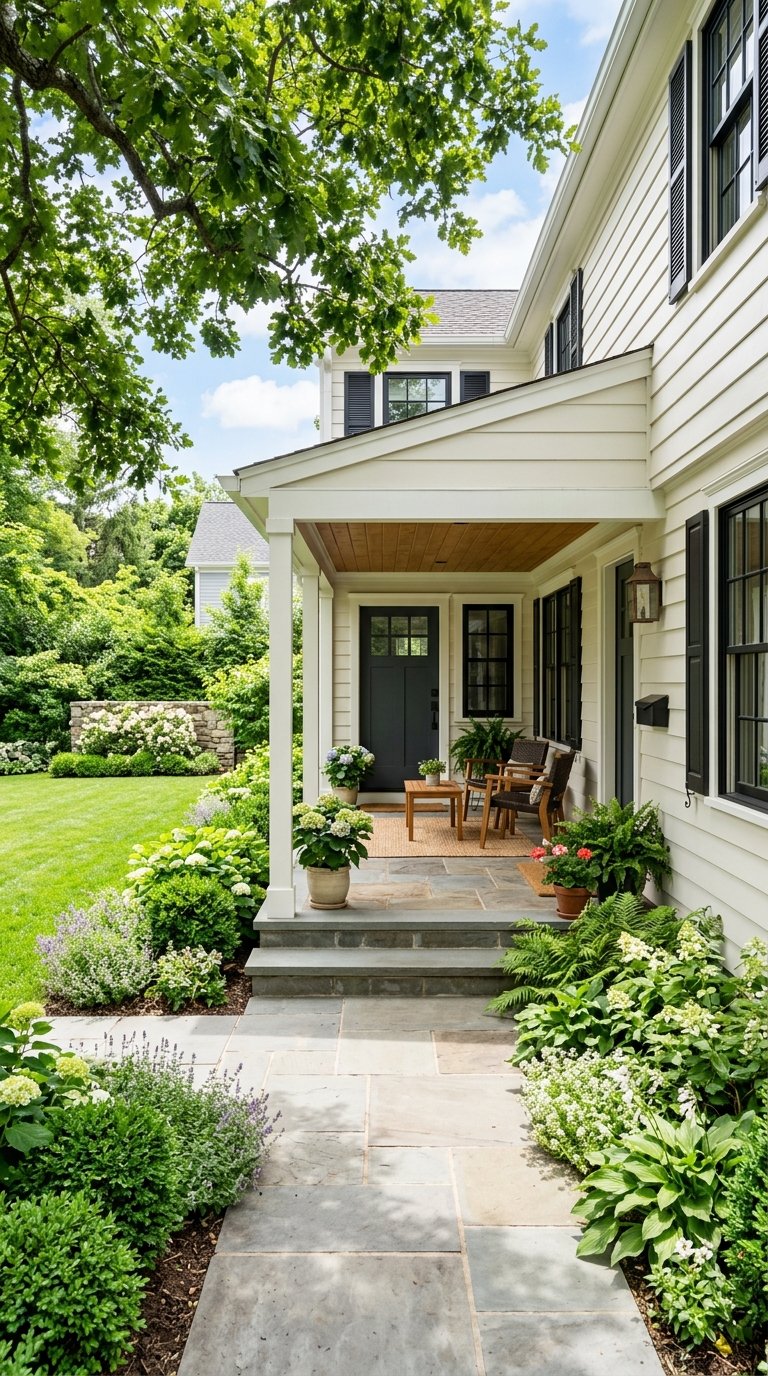
If you are a young family searching for a single-family home, that neighborhood pattern is often part of the appeal. You may find streets with established homes, mature landscaping, and a more residential feel, while still staying close to downtown and parks.
It is also important to be realistic about price. Census data show a 67.8% owner-occupied rate and a median owner-occupied home value of $2,000,000+.
That tells you two things. First, San Carlos is largely an owner-occupied community. Second, entry into the market can be significant, even by Peninsula standards.
For buyers, this usually means being clear about priorities early. Some households are drawn to San Carlos because the lifestyle is unusually balanced for the Peninsula, but it is still essential to understand how your budget, home type, and location goals fit within a very competitive environment.
San Carlos often appeals to buyers who want a self-contained feel without giving up urban conveniences. Compared with larger nearby cities like Redwood City and San Mateo, San Carlos is much smaller. It is closer in population size to Belmont and Burlingame.
The most grounded takeaway is that San Carlos tends to feel more neighborhood-oriented and self-contained than the larger Peninsula cities while still offering a true downtown, a substantial park system, and a full school pathway through its district structure. For many young families, that balance is exactly the point.
San Carlos may be worth a close look if you want a town where daily life feels easier to organize. The combination of walkable downtown routines, accessible parks, local events, and a strongly residential housing pattern gives the city a practical kind of appeal. It is not just about amenities on paper. It is about how those amenities work together in real life.
For many buyers, the best part of San Carlos is that it feels manageable. You can picture school mornings, park afternoons, Sunday farmers market trips, and dinner on Laurel Street without needing to overcomplicate the week. That is a meaningful lifestyle advantage, especially in a high-pressure region.
If you are exploring San Carlos or comparing it with other Peninsula communities, working with a local advisor who understands both lifestyle fit and market realities can make the search much more efficient. If you would like a thoughtful, data-driven conversation about San Carlos and other Peninsula neighborhoods, connect with Yvette Stout.
Stay up to date on the latest real estate trends.
Whether you're looking to purchase or sell, get expert advice and personalized support every step of the way.