Is A Sunnyvale Single-Family Home The Right Move
May 14, 2026
If you are weighing a move in Silicon Valley, Sunnyvale single-family homes can look like the sweet spot. You get access to a major job corridor, established neighborhoods, parks, and a more traditional detached-home feel, but you also face high prices and stiff competition. The right choice depends on how you want to live, what tradeoffs you can accept, and how long you plan to stay. Let’s dive in.
Sunnyvale describes itself as a tech center with quiet neighborhoods, a historic downtown, and 772 acres of parks and open space connected by trails. For many buyers, that combination is the draw. You can pursue a detached home lifestyle while staying close to Peninsula and South Bay employment centers.
That matters if you want more separation from neighbors, outdoor space, and a residential setting that still feels connected to daily work and commuting needs. In practical terms, Sunnyvale often attracts buyers who want suburban comfort without stepping too far away from the core Silicon Valley corridor.
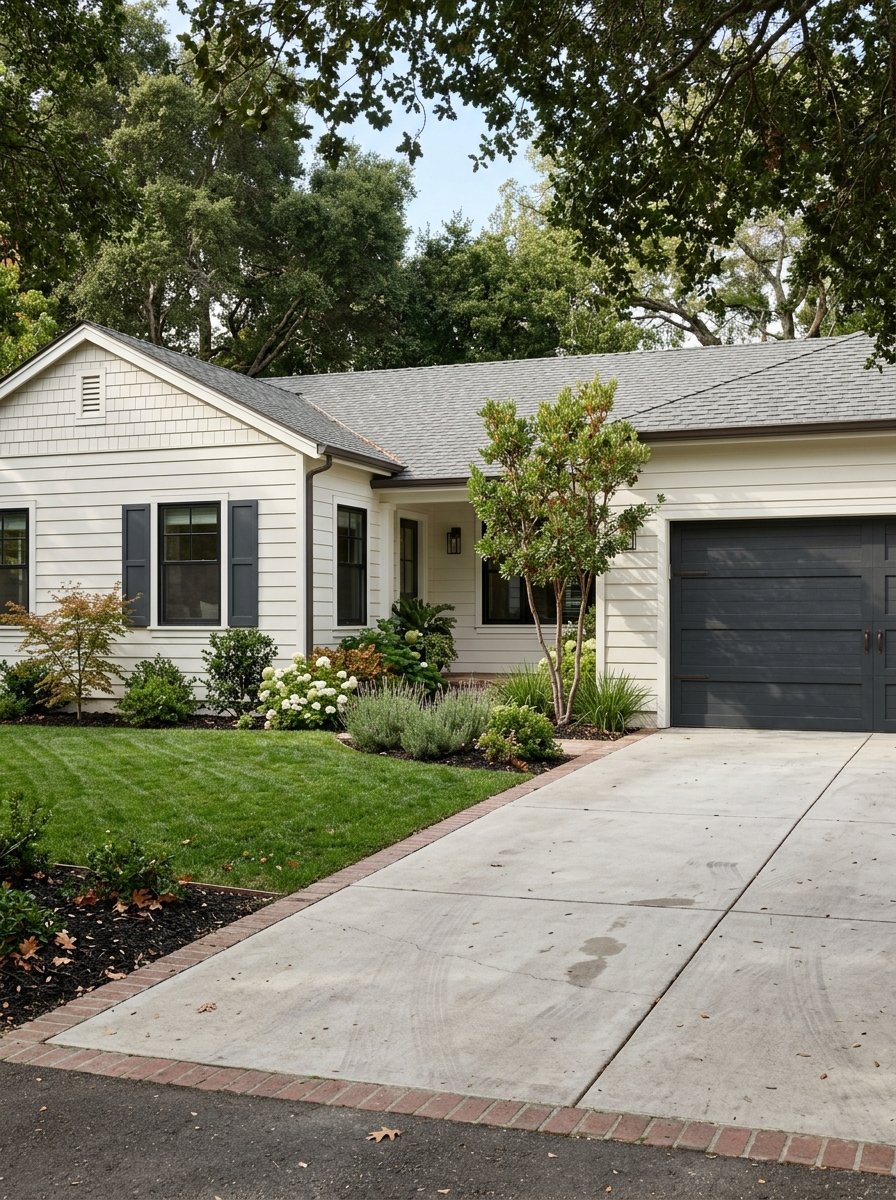
A single-family home in Sunnyvale often offers the basics many buyers still value most: more privacy, more land, and more flexibility inside and outside the home. If you are comparing it with a condo or townhome, the appeal usually comes down to control over your space and a different day-to-day living experience.
At the same time, detached homes here usually come with more responsibility. Sunnyvale’s city permit and design standards for single-family properties reflect that these homes are a distinct and actively regulated part of the local housing stock. If you buy an older Bay Area home, you should be prepared for maintenance, repairs, and possible remodeling over time.
This is not a casual market. Redfin reports a March 2026 median sale price of $1.772 million in Sunnyvale, with about 5 offers per home, a 10-day median market time, and a 107.4% sale-to-list ratio.
For you as a buyer, those numbers point to a market where preparation matters. You will likely need strong pre-approval, clear budget boundaries, and the ability to act quickly if the right home appears.
It also helps to be realistic about competition. Even if a home seems well priced at list, the final number can move higher in a market where multiple offers remain common.
A Sunnyvale single-family home tends to make the most sense if you are buying for stability rather than a short stop. Because the upfront cost is high, many buyers feel better positioned if they expect to stay long enough to fully use the space and justify the purchase.
You may be a strong fit if you want:
You may want to think more carefully if you prefer low-maintenance living, need the easiest transit-first location, or are unsure how long you will remain in the area. In those cases, a townhome or condo may better match your lifestyle.
For many buyers, schools are part of the decision process. The Sunnyvale School District states that about two-thirds of Sunnyvale K-8 students live within district boundaries, and it operates eight elementary schools and two middle schools. The district also notes state and national recognitions, including National Blue Ribbon Schools and California Distinguished Schools.
If high school attendance is part of your planning, you should verify the specific property address before making a decision. Fremont Union High School District states that attendance areas are address-specific, and it recommends using the Santa Clara County Office of Education district locator before a purchase or rental decision.
Beyond school boundaries, daily life matters too. Sunnyvale’s 772-acre park and open space system, along with its connected trails, adds practical value for buyers who want recreation, outdoor access, and stronger links between neighborhoods, schools, creeks, and nearby communities.
Not every part of Sunnyvale delivers the same single-family-home experience. If you want a more classic detached residential feel, older low-density neighborhoods are often where that character is strongest.
The Heritage District, for example, is Sunnyvale’s oldest residential area. City materials describe 69 historic homes or streetscapes there, with many modest single-story bungalows dating from the 1930s to 1950s. Other parts of Sunnyvale include post-1945 tract neighborhoods, and the city also notes that some of Joseph Eichler’s earliest tracts are found here.
That variety can be a real advantage. You may find one area that feels more historic and established, while another offers a more mid-century or postwar neighborhood pattern.
By contrast, downtown Sunnyvale and major employment corridors are more mixed-use. The downtown area is roughly 150 acres centered around Murphy Avenue, while Moffett Park is planned as a mixed-use residential and employment center. If you want the most traditional single-family setting, these mixed-use areas may not be your first choice.
One of Sunnyvale’s strengths is that transit options are broader than many buyers expect. VTA serves Sunnyvale with bus, light rail, and regional rail participation, and current route listings include service at Sunnyvale Transit Center such as Route 20 and Route 53.
The city is also working to improve pedestrian and bicycle access to the Sunnyvale Caltrain Station. That can make a difference if your routine depends on regional commuting rather than a fully car-based schedule.
Still, if transit access is your top priority, a detached home may not always be the most efficient fit. The Lawrence Station Area is planned around a half-mile, roughly 10-minute walk radius, and the city identifies new housing there as transit-oriented development. In practice, buyers who want the easiest station access often end up comparing condos and townhomes more seriously in that part of Sunnyvale.
If you are trying to decide where a detached home feels most realistic, current pricing helps frame the options. Redfin shows March 2026 median sale prices of $1.772 million in Sunnyvale, $2.0 million in Mountain View, and $3.359 million in Cupertino.
That does not make Sunnyvale inexpensive. It does, however, place Sunnyvale in a middle position for many buyers who want to remain in this part of Silicon Valley without stretching into Cupertino pricing.
The competitive dynamics are also worth noting. Redfin reports Sunnyvale homes averaging 5 offers, compared with 3 in Mountain View and 3 in Cupertino, with median market times of 10 days in Sunnyvale, 9 days in Mountain View, and 10 days in Cupertino. So while Sunnyvale may be more attainable on price than some nearby options, you should still expect a fast and competitive buying environment.
For buyers planning to stay, long-term value is often part of the decision. Sunnyvale’s 2025-2030 Consolidated Plan says typical home value rose 157% from 2010 to 2023. Comparable city documents show strong gains in nearby markets too, though the reporting periods differ, so these figures work best as directional context rather than a direct ranking.
The broader takeaway is simple. Sunnyvale has been part of a region with substantial long-term housing value growth, and that can support the case for buying if you want to put down roots and can carry the cost comfortably.
A Sunnyvale single-family home may be the right move if you want a balance of location, privacy, neighborhood feel, and access to Silicon Valley employment hubs. It can be especially compelling if you value parks, an established residential setting, and enough time horizon to make a high-cost purchase worthwhile.
It is often a strong match for buyers who care as much about convenience and daily livability as they do about raw square footage. Compared with nearby options, Sunnyvale can offer a meaningful middle ground: still premium, still competitive, but often less financially punishing than Cupertino and somewhat below Mountain View on current median pricing.
A detached home is not automatically the best answer just because you can afford one. If your schedule is intense, your commute is transit-dependent, or you want a lower-maintenance lifestyle, you may find that an attached home better supports the way you actually live.
That is especially true near Lawrence Caltrain and other transit-oriented areas, where condos and townhomes can align more naturally with a lock-and-leave routine. The best decision is the one that matches both your finances and your daily patterns.
Buying in Sunnyvale is rarely just about the house itself. It is about how you want your life to work once you move in.
If you are weighing Sunnyvale against other Peninsula and Silicon Valley options, a thoughtful local strategy can help you sort out the tradeoffs with confidence. For a discreet, data-driven conversation about where a single-family home fits your goals, connect with Yvette Stout.
Stay up to date on the latest real estate trends.
Whether you're looking to purchase or sell, get expert advice and personalized support every step of the way.